In 1858, future president Abraham Lincoln gave a speech where he spoke the famous words “A house divided against itself cannot stand.” In today’s unsure political winds, his words still stay relevant to us now. On September 31st, Congress, split in two, was unable to agree on a bill that would give finance funds to the federal government, so as a result, the government shut down. As a result of this, several programs have stopped receiving funding to continue on, such as food stamps, medical services, funding federal workers, and plenty of more services. Only on the 12th of November, 43 days after the initial shutdown, did it finally end, yet the consequences dragged on beyond that. So, what even is a government shutdown, why did the most recent one even happen, and why do they affect us the way they do?
What is a government shutdown?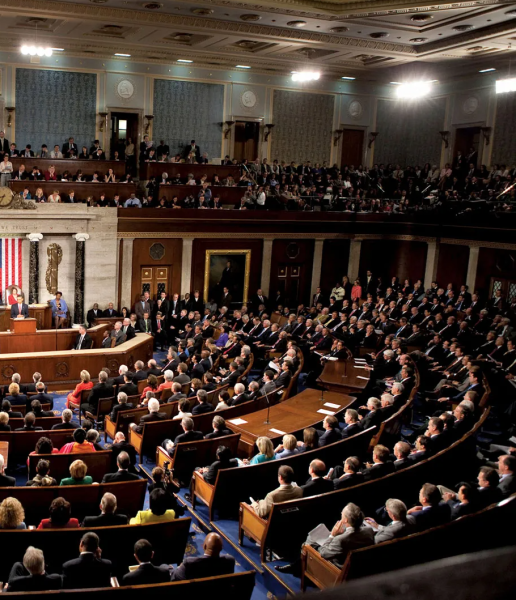
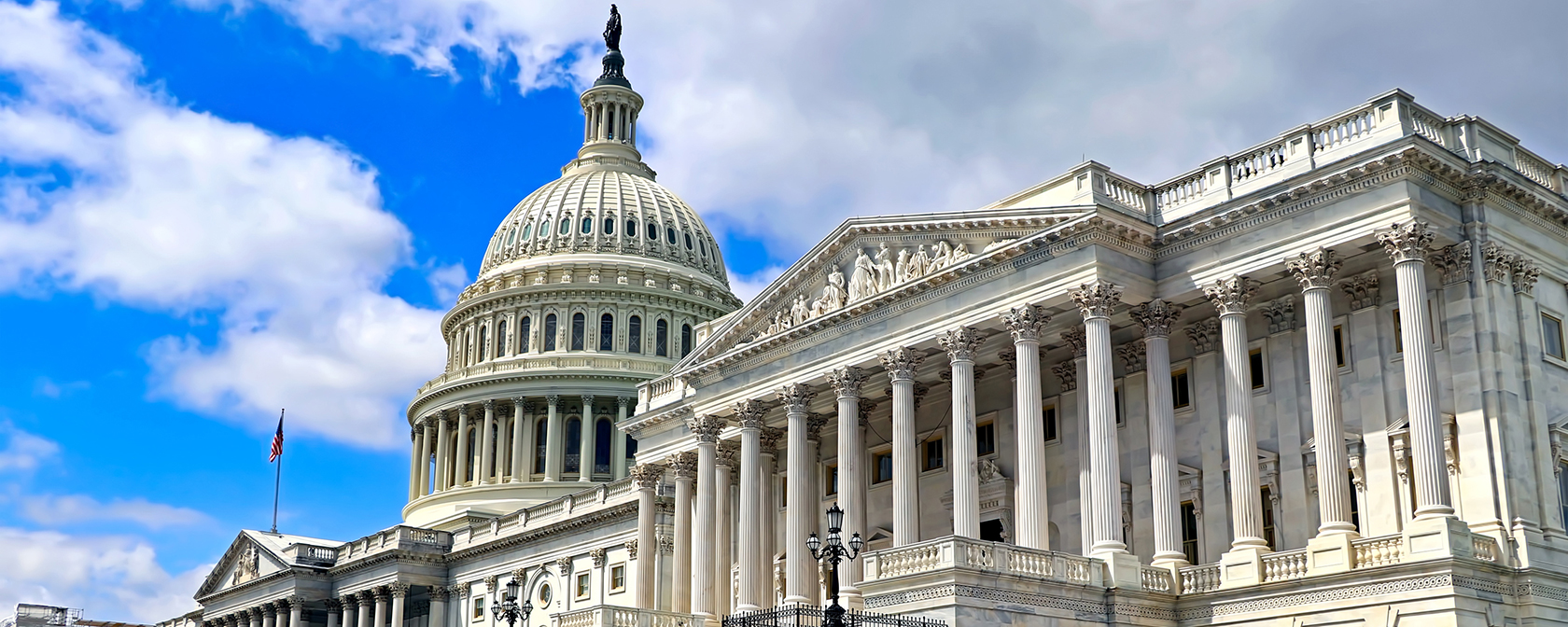
First we need to go into the job of the Congress. According to the Constitution, it’s the responsibility of the Congress to pass bills and sign them into the government, which is basic government knowledge. However, it is the job of the Congress to also pass bills called appropriation bills that allocate certain amounts of funding to the services of the government. No other power in the government can hand money like that over, aside from the Congress. Now, when the people of Congress disagree on something, or the president vetos a bill, it won’t pass. When an appropriation bill doesn’t pass, that money isn’t going to go anywhere. So now, when government services clearly don’t get money, that means they essentially shut down. In short, the government shutdowns when the appropriation bill doesn’t pass, and ends when it eventually does pass in the government. This is what has happened in the Congress as of recent, and why we’re calling it, a government shutdown.
A brief history of all government shutdowns.
Our country isn’t new to government shutdowns. Up until 1980, our government hadn’t had a single shutdown, but when it did finally strike, did it hit hard. Shutdowns as a whole batter the reputation of the President, Congress, and the government as a whole. It is undeniable that in every single shutdown, thousands of people either get laid off, or get cuts in their pay until it’s over. Not only that, but all the money lost during these shutdowns, needs to be paid back to the government, which you will be doing with your tax money.
Jimmy Carter – 1980
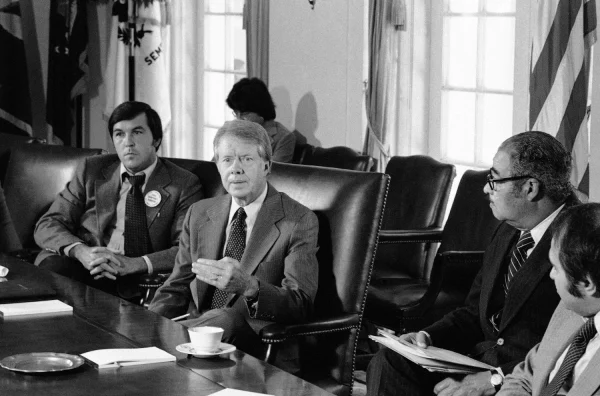 In 1980, the first government shutdown in American history happened under Jimmy Carter. It happened on October 1st, and ended after one day. It had mainly affected the FTC. As a result of the funding being cut off, they shut down the FTC. Many workers began to protest against the layoffs and the shutdown as a whole. The situation had been so concerning that Jimmy Carter had deputies out by FTC facilities trying to stop protests and enforce the closures of the FTC.
Ronald Reagan – 1981, 1984, 1986
Under Reagan’s administration, he had 3 separate shutdowns. One in 1981, 1984, and 1986. Many of these shutdowns were because Reagan had disagreed with the bills that were being passed by Congress. The shutdowns were all relatively short, all of them lasting only a day, however costing us as Americans millions. In total, from all 3 shutdowns, we lost 210 million dollars, which had to get paid back in taxes.
George H.W Bush – 1990
In 1990, another shutdown happened under George H.W Bush’s administration. On the year’s appropriation bill, he had wanted major tax increases, which went directly against his campaign’s promises of having less taxes. For 4 days after the shutdown, Bush would keep vetoing the bills up until the 9th of October where he came to an agreement where he would scrap the uptick on taxing on the bill and leave it to another bill.
Bill Clinton – 1995, 1996
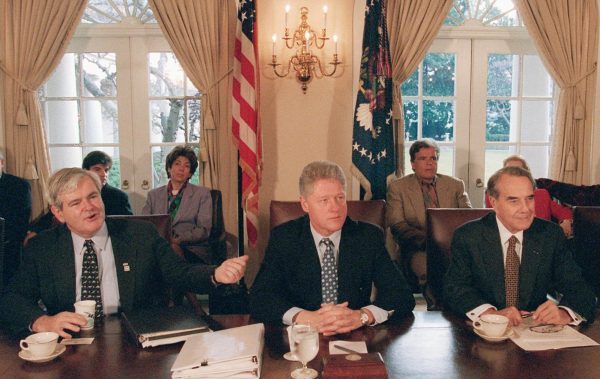 Another 2 shutdowns happened under Bill Clinton, both in 1995 and 1996. In 1995, Clinton had disagreed with the appropriation bill, due to it cutting a lot of funding for education and other federal agencies. This had left a sour taste in mouths of Clinton and Newt Gingrich, the Speaker of the House at the time. While this shutdown ended 5 days after it began, a second shutdown would happen in December because of the tense relations between Clinton and Gingrich and would last until January 6th of 1996.
Barack Obama – 2013
During president Obama’s second term in 2013, his only shutdown happened. The Democrats and Republicans of the House were very tense with each other at the time and couldn’t agree on passing the bill, which spiraled the government into a shutdown. It lasted 16 days, ended on the 16th of October. During the shutdown, nearly a million people had to go to work while not being paid by the government, which wasn’t a good look for Obama.
Donald Trump – 2018, 2019
In Trump’s first presidency, the man had 2 shutdowns himself. The first one of his wasn’t that big of a deal. Technically, the government shutdown on the 1st of October, as all shutdowns typically do, however Congress signed a couple of bills that delayed cutting funding to federal agencies to January 20th. When the day came, it lasted only 3 days, with minimal money loss or drama. In contrast to the first one, the second one in January of 2019 was much worse. At the time, it turned out to be the longest government shutdown, being 35 days long. Economic growth of the company dropped down billions of dollars, and overall was a huge blow to the Trump Administration.
The 2025 Government Shutdown.
On October 1st of this year, the government would shut down, due to Republican senators and Democrat senators not agreeing on how to set up this year’s appropriation bill. Democrats in the Senate kept turning down the bill due to it not including an Affordable Care Act extension, that would keep the act going, since it was set to expire in November. In short, as every day kept passing by, Republicans kept pushing for the bill to get passed, while the Democrats pushed for the extension to be put back into the appropriation bill.
Why do the Democrats care so much about the Affordable Care Act? In 2010, the ACA was enacted under the House in the Congress. It granted many people healthcare benefits. Much of it concerns discounted medical expenses and helping middle-class families along with businesses. Democrats had believed that if this act didn’t get passed, many families and businesses would be left vulnerable without their benefits. This was the main motivator during the shutdown for the Democrats, and they would not stop until the ACA was extended and healthcare institutions received more federal funding in the appropriation bill.
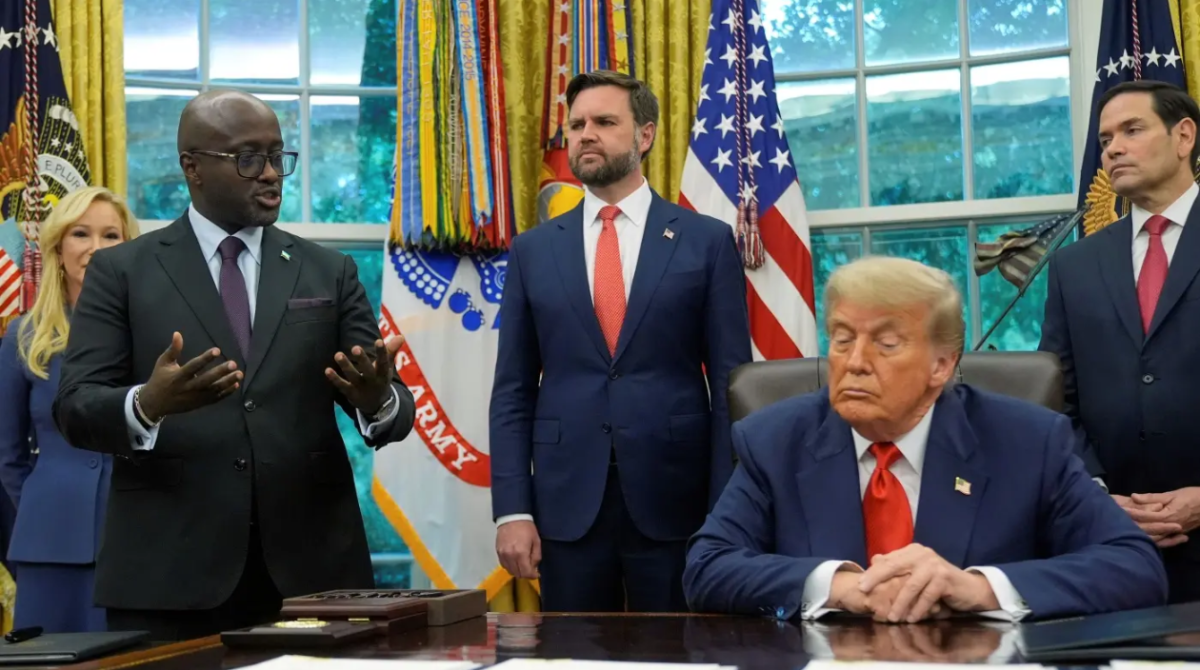
From the perspective of Republicans, this was an embarrassment to the government. Before the impending government shutdown, Trump had met with Democrat senators Chuck Schumer and Hakeem Jeffries. He tried to push them to stop caring so much about extending healthcare benefits and giving more money to medical institutions. Schumer and Jeffries were unwavering in their demands. So in return Trump abruptly ended the meeting, and hours later he posted an AI video to mock them. Jeffries would appear to have a sombrero and a cartoonish mustache while the Mexican hat dance song played in the background in the video. On his right was Schumer, insulting immigrants, taking a jab at the Democratic party. Clearly, before, during, and after, the parties didn’t see eye to eye, and that’s one of the main reasons why this shutdown happened in the first place.
The shutdown would drag on for about a month before anything really began to happen. Throughout the shutdown, many negotiations between both the Democrats and the Republicans in the Senate were made. Senators from both sides attempted to sign in bills that would end the shut down, or at least issue out funding to federal agencies like the military. However, every time a new bill would be proposed, they never reached the 60 vote threshold to pass the bill. The reason why this shutdown happened in the first place was because of the clashing beliefs of the Democrats and Republicans.
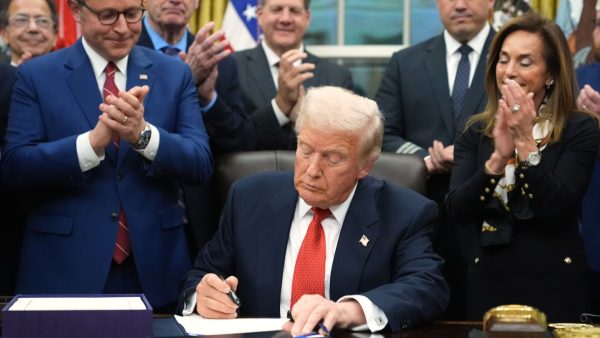 Finally, on November 9th, the Senate finally began to work on a bill that would end the shut down. By then, several Democrat senators pushed to get a bill out rather than to fight it. On November 10th, finally the Senate passed the bill with a 60 to 40 vote. Two days later on November 12th, the bill was run through the House, with a vote of 222 to 209. Finally, the bill ended up on President Trump’s desk, and the shutdown was finally over.
The Effects of the 2025 Government Shutdown.
With the 43 day government shutdown, federal agencies were bled dry of federal funding. Anything that was under the government during the shutdown lost a substantial amount of money, which affected the way it served the people. For a government that is supposedly for the people by the people, it surely falls short of being able to actually serve the people.
As long as the government was shut down, the military, FAA, pretty much any agency that works under the government received smaller amounts of funding. One of the biggest takeaways from the shutdown was the loss of SNAP benefits. SNAP allowed people who didn’t have enough money in their household to afford food, to use food stamps to buy food. During the shutdown, the lack of federal funding made it so the SNAP benefits would be halted, and the people under SNAP wouldn’t receive any food stamps. This created outrage among not only the people under SNAP, but many state governments. Even some courts ruled out that the removal of SNAP benefits was unconstitutional, but these things came to pass.
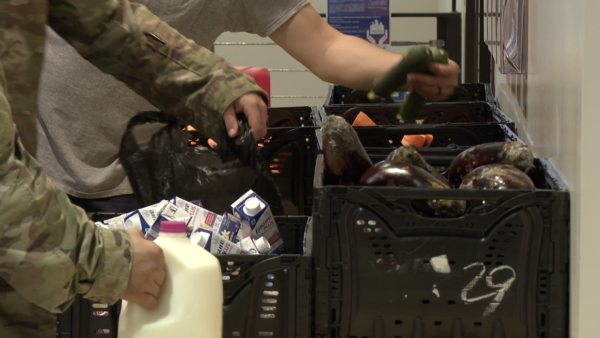 People in the military during the shutdown were pretty much running on nothing. Soldiers received no pay, and food serviced by the military couldn’t be served to the soldiers because they didn’t have enough money to. Yet, they were still expected to do all their regular work. Many soldiers during the government shutdown had to rely on food banks to get their food because of the budget cuts. Civilian workers under the military were often laid off because they were deemed unnecessary. With the removal of SNAP benefits along with the lack of pay and food by the military, many service members with families were especially struck hard by the shutdown.
In Worcester, these very problems of course still happen here. Many families undeniably in Worcester aren’t the richest. In some neighborhoods, people do rely on SNAP benefits to get breakfast, lunch, and dinner on their tables. After SNAP benefits were paused, a lot of people in our community had to rely on food banks, which even then, aren’t enough. On October 30th, The City of Worcester had to allocate 250,000 dollars out to Worcester food banks and to heating assistance for families that couldn’t afford heating. Even though the shutdown may be over, we still owe so much towards the government. Hundreds of millions, maybe even billions have been lost to this government shutdown, and we’re the people that have to pay for it. Taxes are going to be up the roof because we have to pay for the shutdown that the government caused.
The Bigger Picture
Why does any of this even matter? If everything’s all over and done with, shouldn’t everything be okay now? Yes and no. While it’s true, the government shutdown is over, like it’s been said before, we’ll still have to pay for the shutdown long after it’s been over with. However, there’s a bigger problem at hand. The government. As it’s been shown, the reason why the government shut down wasn’t because of us. It was because of the government. 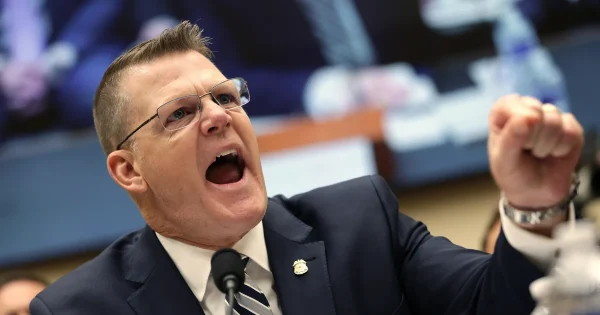
As shown in recent years, politics have been ruining this country. It’s not an exaggeration to say this country is divided in two. In the news, it’s either the Democrats insulting the Republicans, or the Republicans blaming the Democrats. This country is supposed to be “One nation, under God.” and united we stand, divided we fall. If our government keeps acting the way it is, bickering over who’s the best political party, these government shutdowns are only going to keep happening. Can you envision a country where repeatedly, people can’t afford food because the government won’t provide for them? That’s the direction we’re headed if we don’t get our act together. We need to stop fighting ourselves, focusing on useless political parties, and actually focus on the country. Otherwise, our country is headed into a position it can’t return from.