








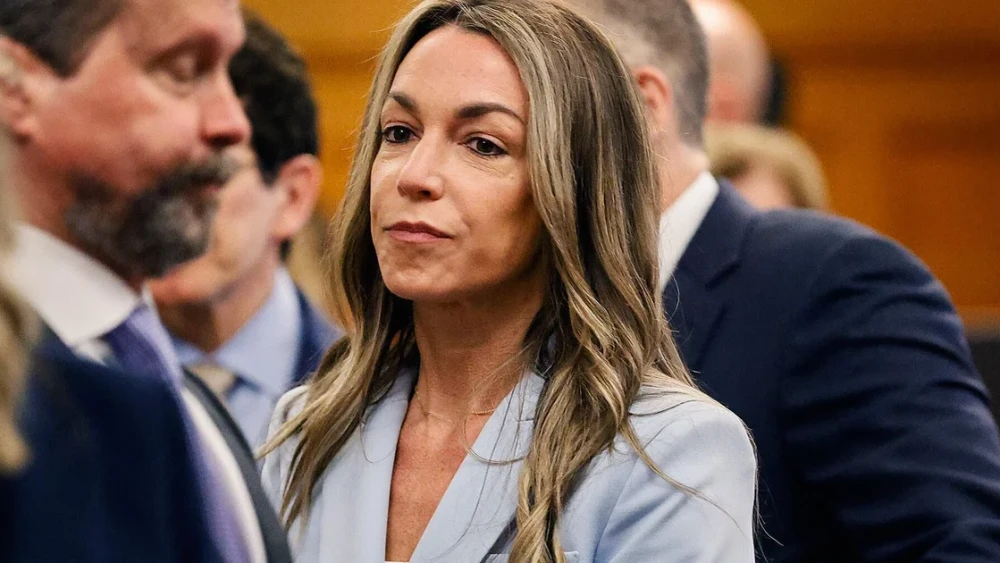








The 2023 arrest of former Utah therapist Jodi Hildebrandt has raised serious questions about the safety of online parenting advice and the responsibility of professionals who influence families on social media. Hildebrandt, once a licensed clinical mental health counselor, was charged with child abuse in a case that quickly gained national attention due to her online presence and connections to popular family influencers.
Hildebrandt was well known for sharing strict parenting and mental health advice through videos, online courses, and a life-coaching program. Many parents followed her content because of her professional background, believing her guidance was trustworthy and helpful. However, the allegations against her have caused many to reconsider how much influence online parenting figures should have.
The Arrest and Investigation
According to police, the investigation began after a child escaped from a home and went to a neighbor’s house asking for help. Law enforcement responded and later reported finding evidence that led to multiple child abuse charges. Officials stated that the children involved were living in unsafe and harmful conditions.
The arrest shocked many people across the country. News spread quickly through social media, and many were stunned that someone who gave advice on parenting and mental health could be accused of harming children. Authorities emphasized that the charges were based on evidence found during the investigation and that the case would proceed through the legal system.
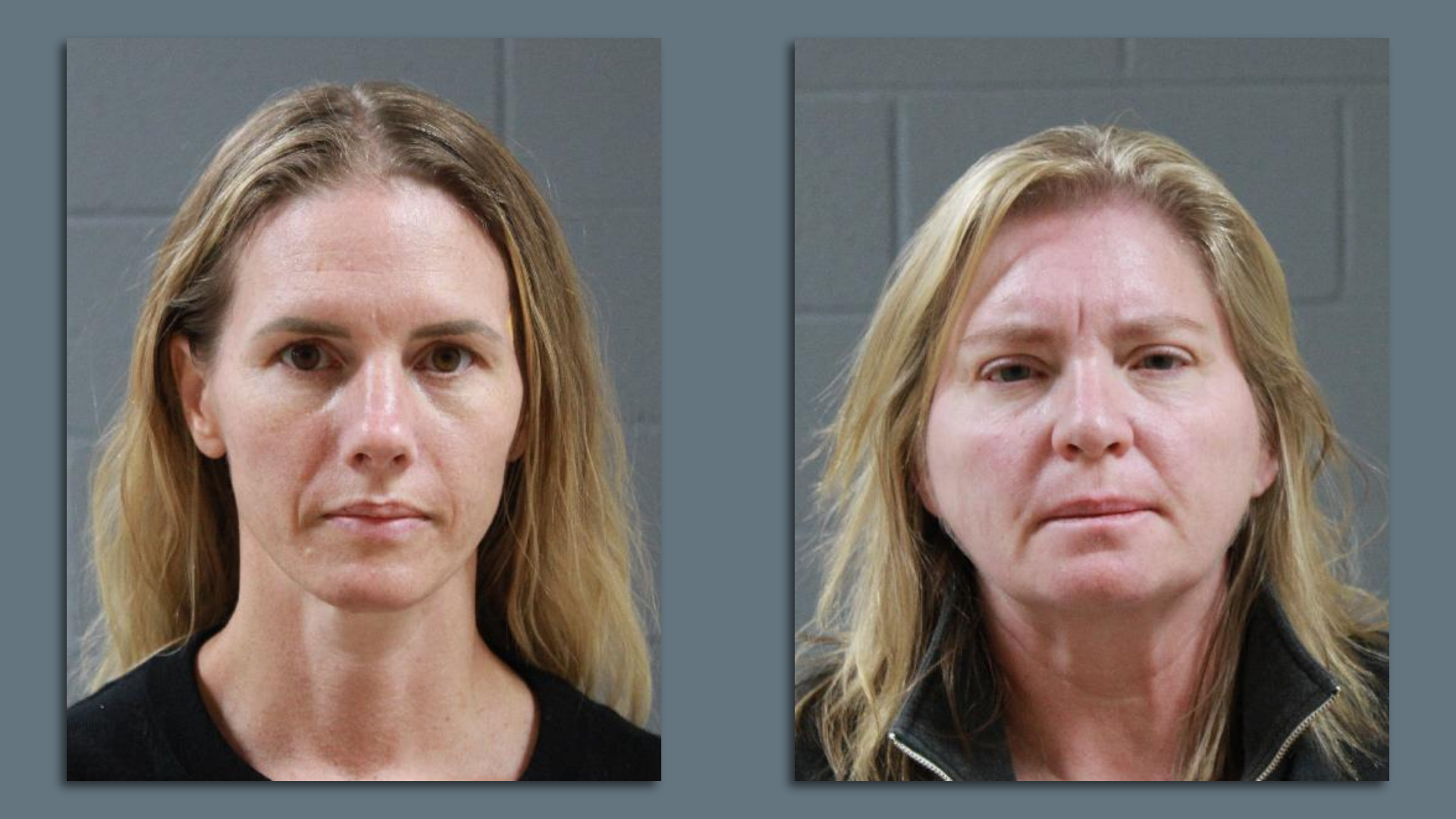
Hildebrandt was taken into custody in 2023, and the case remains ongoing. Prosecutors and child welfare officials have stated that protecting children is their top priority.
Online Influence and Parenting Advice
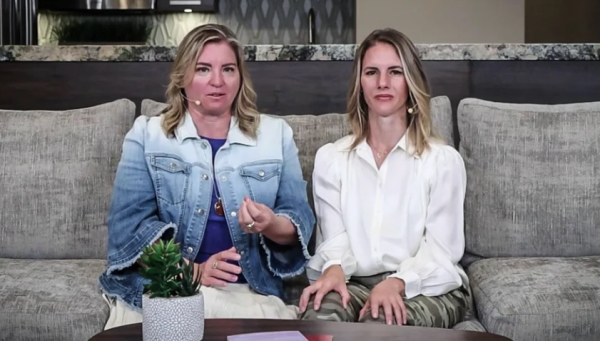
One reason the case gained so much attention is Hildebrandt’s strong online influence. In recent years, many parents have turned to social media for advice about discipline, behavior, and family life. Parenting influencers often share personal experiences and advice that can feel relatable and convincing.
Hildebrandt’s content stood out because she combined motivational language with her professional credentials. Her programs encouraged strict discipline, control, and obedience, which some parents believed were necessary for raising responsible children. Because she was licensed, many viewers trusted her without questioning her methods.
Experts say this case shows the risks of relying too heavily on online advice. While some content can be helpful, not all advice shared online is safe, ethical, or backed by research.
Concerns About Oversight
The arrest has raised concerns about how professionals are monitored when they move from traditional therapy to online coaching. Licensed therapists are usually required to follow strict ethical rules, but those rules can be harder to enforce online.
Some professionals use titles like “life coach” instead of “therapist,” which can make it difficult for licensing boards to step in. This lack of clear oversight can allow harmful practices to continue without consequences.
Child advocates argue that stronger regulations are needed to protect families and children. They also stress the importance of parents asking questions, researching credentials, and seeking second opinions when advice feels extreme or harmful.
Public Reaction
Public reaction to the case was immediate and intense. Social media platforms were filled with posts expressing anger, sadness, and disbelief. Some former followers shared that they felt uncomfortable with Hildebrandt’s teachings but trusted her because of her professional image.
The case also led to criticism of family influencers who partnered with parenting coaches without fully understanding their methods. Some influencers removed videos connected to Hildebrandt, while others publicly distanced themselves from her.
Many people called for social media platforms to take greater responsibility for promoting content related to parenting and mental health.
Lessons for Families
Experts say the case offers important lessons for parents and communities. While the internet provides easy access to advice, not all guidance is safe or appropriate. Parents are encouraged to rely on multiple sources, consult licensed professionals in regulated settings, and avoid advice that promotes extreme punishment or control.
Schools, healthcare providers, and community members also play an important role in recognizing warning signs and speaking up when children appear to be in danger.
Above all, child safety advocates stress that children’s voices matter. When a child asks for help, adults must listen and act.

A Case With Lasting Impact
As the legal process continues, the Hildebrandt case remains a powerful reminder of the dangers of unchecked influence. It has sparked national conversations about online accountability, professional responsibility, and child protection.
While the court will determine the final outcome, the case has already made a lasting impact. It has encouraged families to be more cautious about who they trust and highlighted the importance of putting child safety above all else.